

Highlighting Difference Between Modern Kitchen Chimney and an Exhaust Fan


Modern kitchen chimneys and exhaust fans are both common appliances used for kitchen ventilation, but they differ significantly in design, function, efficiency, and cost. Understanding these differences is key to selecting the right appliance for your kitchen that ensures a smoke-free, odorless, and grease-free cooking environment. This article highlights the main differences between modern kitchen chimneys and exhaust fans, covering various factors including performance, maintenance, noise, and suitability for Nepali kitchens.
What is a Modern Kitchen Chimney?
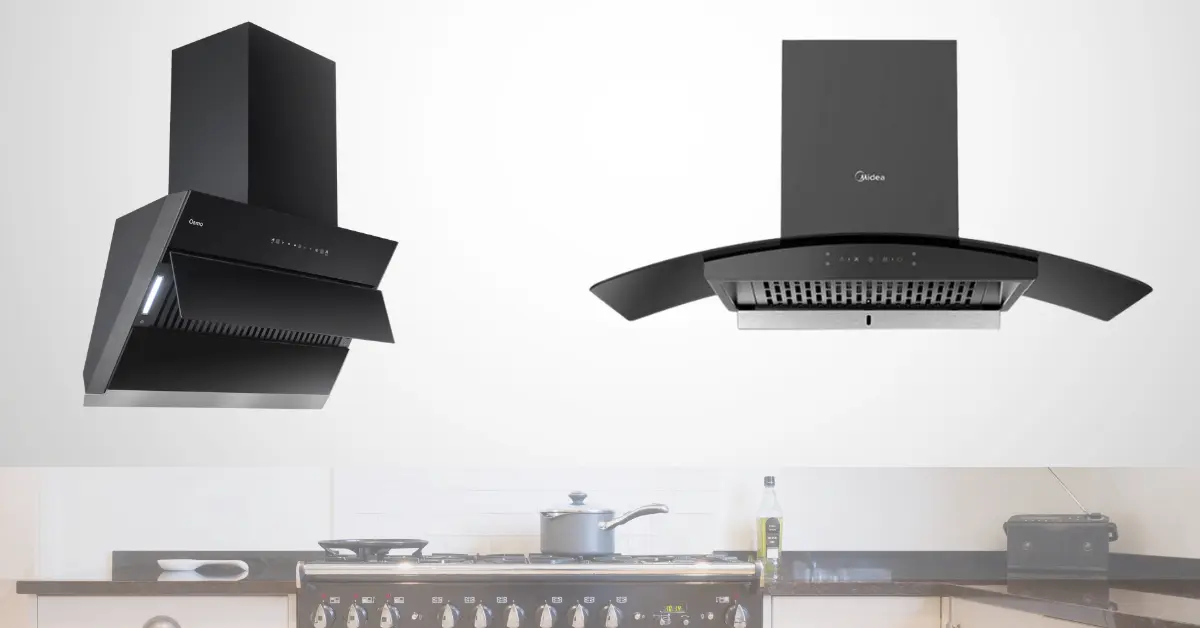
A kitchen chimney is an advanced ventilation device placed above the cooking stove. It features powerful suction motors combined with multiple types of filters (such as baffle filters) that efficiently trap smoke, cooking odors, grease, and airborne particles. It can be ducted to release the air outside or ductless where air is filtered and recirculated after removing pollutants. Modern chimneys often come equipped with quiet operation modes, LED lighting, and sleek designs to blend with modern kitchens.
What is an Exhaust Fan?
An exhaust fan is a simpler ventilation appliance usually installed on a kitchen wall or window. Its primary function is to draw out hot, stale, or smoky air from the kitchen and push it outside, promoting air circulation. It does not filter or trap grease and odors, simply moves the air out. Exhaust fans are generally more affordable and easier to install compared to chimneys.
Key Differences Between Modern Kitchen Chimneys and Exhaust Fans
Suction Power and Efficiency
Kitchen chimneys have much higher suction power due to their powerful motors and multi-stage filtration system. They can remove a higher volume of smoke, grease, and odors effectively, making the kitchen air cleaner and healthier to breathe. In contrast, exhaust fans push air out but do not trap grease or odors, resulting in less effective ventilation especially in kitchens with heavy cooking.
Filtration Capabilities
Modern kitchen chimneys come with filters that trap grease particles, smoke, and cooking odors. The filters are washable and removable, preventing grease accumulation on kitchen surfaces and reducing health hazards like respiratory issues. Exhaust fans, on the other hand, have no filters and cause grease and odors to circulate or settle elsewhere in the kitchen.
Noise Levels
Exhaust fans tend to be noisier due to simpler motors and the direct exhaust mechanism. Modern chimneys often have better noise reduction features with distributed airflow and silent modes, making them less noisy during cooking.
Energy Consumption
While kitchen chimneys use more electricity because of powerful motors and multiple filters, they tend to be more energy-efficient in the long run since they clean the air more thoroughly with less air volume movement. Exhaust fans consume less power but may need to run longer or multiple units may be required for the same effectiveness.
Maintenance and Cleaning
Chimneys require regular cleaning of filters and periodic maintenance of motors and ducts, which can be more time-consuming and costly. Exhaust fans require less complicated upkeep but do need occasional cleaning to prevent dirt buildup, which if neglected can reduce performance.
Installation and Cost
Exhaust fans are easier to install, fitting into existing wall or window spaces with minimal structural changes. They are also considerably cheaper initially and for repairs. Kitchen chimneys, particularly ducted models, need professional installation and a higher initial investment but provide superior ventilation performance.
Moisture and Odor Removal
Exhaust fans are better at removing moisture and steam from kitchens because they push air directly outside. Ductless chimneys recirculate filtered air and thus do not remove moisture as effectively. Ducted chimneys perform both odor and moisture removal efficiently.
Suitability for Nepali Kitchens
Nepali cooking often involves frying and use of strong spices, generating a lot of smoke, grease, and odors. Kitchen chimneys are better suited to these demanding ventilation needs as they not only remove smoke but also trap grease and odors, keeping kitchens cleaner. Exhaust fans may struggle in such environments, leading to dull cabinets and walls stained by grease.
Which One Should You Choose?
Choosing between a modern kitchen chimney and an exhaust fan depends largely on your kitchen size, cooking style, budget, and ventilation needs. For heavy cooking, especially in Nepali kitchens where grease and odors are prominent, a kitchen chimney offers superior performance and cleaner, healthier air. They are a smart long-term investment despite higher costs and maintenance demands.
For smaller kitchens, lighter cooking, or if budget constraints exist, an exhaust fan provides basic ventilation and moisture removal at a much lower cost with minimal maintenance. However, it lacks the grease and odor removal efficiency needed for more heavy cooking habits.
In summary, modern kitchen chimneys provide advanced, efficient filtration and air purification, making them ideal for modern kitchens that demand superior ventilation. Exhaust fans offer simpler, cost-effective air expulsion but with less thorough purification. Understanding these differences will help you make an informed decision.