

Understanding Difference between Ro Water Purifiers and Ordinary Water Filter


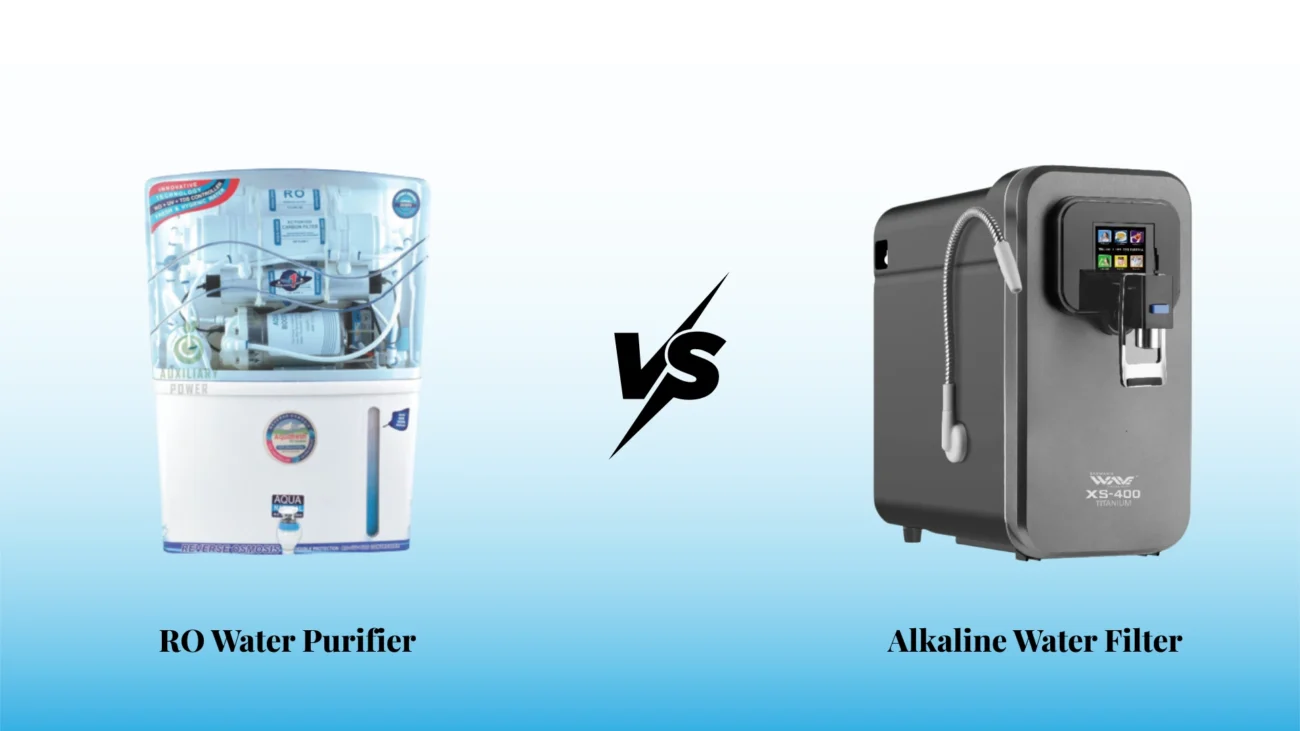
RO water purifiers and ordinary water filters each offer distinct benefits and cater to different water quality needs. RO purifiers utilize a complex, multi-stage filtration system including a semi-permeable membrane that removes up to 90-99% of total dissolved solids (TDS), heavy metals, bacteria, viruses, and harmful chemicals, providing the highest level of purification. They often include a storage tank for immediate access to purified water and a mineral cartridge to reintroduce essential minerals removed during filtration. This makes RO systems particularly effective in areas with hard, saline, or chemically contaminated water.
Regular water filters, such as activated carbon and UV purifiers, focus on removing larger particles, chlorine, odors, and some bacteria or viruses. They do not effectively remove dissolved solids or heavy metals and usually lack storage tanks and mineral addition features. These filters are best suited to areas with treated municipal water of relatively good quality.
What is an RO Purifier?
An RO purifier uses reverse osmosis technology to remove impurities from water. It forces water through a semipermeable membrane that blocks contaminants like dissolved salts, heavy metals, bacteria, and viruses. This process results in highly purified water suitable for drinking and cooking.
Key Features of RO Purifiers
High Filtration Capability
RO purifiers can eliminate dissolved impurities such as fluoride, arsenic, and pesticides. This makes them ideal for areas with contaminated or hard water.
Storage Tank
They typically come with a built-in storage tank that ensures purified water is available on demand, even when the purification process is slow.
Mineral Addition
Since RO can remove beneficial minerals, many RO purifiers add minerals back to enhance taste and nutritional value.
What is an ordinary Water Filter?
Ordinary water purifiers, often based on activated carbon or sediment filters, primarily remove physical impurities, chlorine, odor, and some bacteria. These filters work by trapping particles but do not eliminate dissolved solids or salts. They usually lack storage tanks and mineral restoration features.
Comparing RO Purifiers and Regular Water Purifiers
Filtration Technology
- RO Purifiers: Use a multi-stage process including reverse osmosis membrane plus sediment and carbon filters, ensuring thorough purification.
- Ordinary Filters: Use simpler filtration methods like carbon filters or UV purifiers which remove certain contaminants but leave dissolved solids intact.
Water Quality
- RO Purified Water: Has minimal dissolved impurities, making it ideal where water contamination levels are high or water is sourced from wells and borewells.
- Filtered Water: Suitable for already treated municipal water where contaminants are fewer.
Water Wastage
Ro Water Purifier wastes some water during filtration (usually 1-4 gallons for every gallon purified), whereas ordinary filters do not waste water.
Flow rate
Ro systems have slower filtration rates due to membrane process, while regular filter allows faster flow of water.
Energy use
Ro purifiers require electricity to operate the membrane system, whereas most of regular filter do not require power.
Maintenance and Running Costs
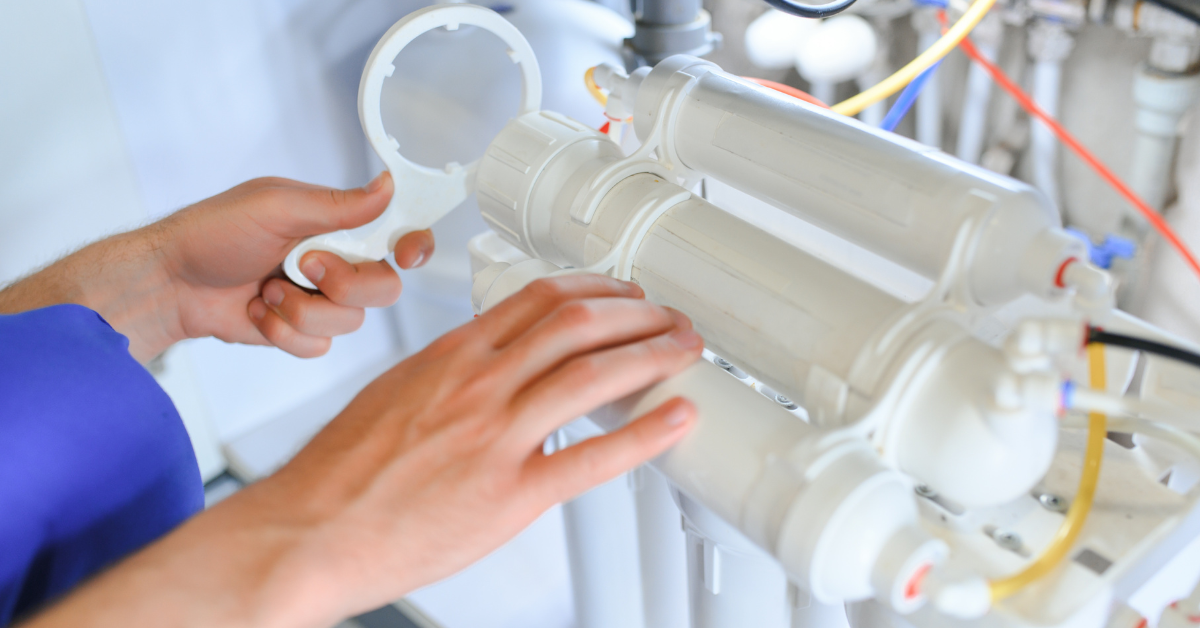
RO purifiers require frequent filter and membrane changes, making maintenance costlier. They also waste some water during the purification process. Ordinary filters are cheaper with lower maintenance needs but may need replacement more often depending on water quality.
Best for Specific Needs
- RO purifiers are best for regions with hard, saline, or chemically contaminated water.
- Ordinary filters suit areas with relatively clean, chlorinated water where simple filtration suffices.
Choosing between an RO water purifier and a regular water filter depends on your local water quality and budget. If your water source has high levels of dissolved solids, heavy metals, or harmful chemicals, an RO purifier ensures safer, better-tasting water. For areas with already safe water, ordinary filters offer a cost-effective way to improve taste and remove chlorine and odors.
Evaluating your water source and impurity levels before buying will help you invest in a purifier that truly meets your household needs.