
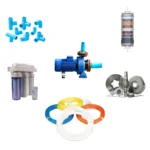


Industrial RO Water Purifier in Nepal
Industrial RO Water Purifier in Nepal: Price, Capacity, Technical Specifications and Buying Guide (2026)
Industrial water purification has become a critical requirement for factories, manufacturing plants, pharmaceutical companies, food processing industries, and mineral water plants across Nepal. With increasing concerns about high TDS levels, dissolved chemicals, heavy metals, and microbial contamination, an industrial RO water purifier in Nepal offers the most reliable solution for producing large volumes of purified water.
Whether you operate a factory in Kathmandu, a mineral water plant in Chitwan, or a pharmaceutical facility in Biratnagar, selecting the right industrial RO plant can significantly improve product quality, operational efficiency, and regulatory compliance.
What Is an Industrial RO Water Purifier?
An Industrial RO (Reverse Osmosis) Water Purifier is a high-capacity water treatment system made to remove dissolved salts, heavy metals, bacteria, viruses, chemicals, and other contaminants from water for industrial use.
Industrial RO technology uses a semi-permeable membrane with microscopic pores measuring approximately 0.0001 micron, allowing water molecules to pass while rejecting contaminants at the molecular level.
Commercial vs Industrial RO Systems
| Feature | Commercial RO | Industrial RO |
| Capacity | 50–1000 LPH | 1000–5000+ LPH |
| Daily Output | 1,000–30,000 L | 10,000–500,000+ L |
| Automation | Semi-Automatic | Fully Automatic |
| Applications | Hotels, Offices, Hospitals | Factories, Pharmaceuticals, Mineral Water Plants |
| Construction | FRP/SS Skid | Full Stainless-Steel Skid |
Why Industrial RO Is Essential in Nepal?
Industrial facilities often face challenges such as:
- High TDS water
- Heavy metal contamination
- Hard water scaling
- Bacterial contamination
- Chemical impurities
- Boiler and process water requirements
Industrial RO systems help ensure consistent water quality for manufacturing and production processes.
When Do You Need an Industrial RO Water Purifier in Nepal?
Capacity Requirements by Industry Type
| Industry Type | Daily Water Need | Recommended Capacity |
| Small Factory (50–100 Workers) | 10,000–30,000 L/day | 1000–1500 LPH |
| Medium Factory (100–300 Workers) | 50,000–100,000 L/day | 1500–2500 LPH |
| Large Factory (300–800 Workers) | 150,000–250,000 L/day | 2500–4000 LPH |
| Mineral Water Plant | 50,000–500,000+ L/day | 2000–5000 LPH |
| Pharmaceutical Facility | 30,000–100,000 L/day | 1500–3000 LPH |
| Beverage Company | 40,000–150,000 L/day | 2000–4000 LPH |
| Food Processing Plant | 60,000–200,000 L/day | 2500–5000 LPH |
TDS Level Guidelines for Industrial Use
| TDS Level | Recommended System |
| ≤150 ppm | UV + UF |
| 150–500 ppm | Industrial RO |
| >500 ppm | RO + Softener + UV + Ozonator |
Types of Industrial RO Water Purifiers in Nepal
Small Industrial RO Water Purifier (1000 LPH)
| Model | Price |
| 1000 LPH RO Plant | NPR 650,000 |
| 1000 LPH Industrial RO Plant | NPR 725,000 (MRP 985,000) |
Best For:
- Small factories
- Mineral water startups
- Medium manufacturing facilities
Medium Industrial RO Water Purifier (1500 LPH)
| Model | Price |
| 1500 LPH RO Plant | NPR 1,050,000 |
Best For:
- Pharmaceutical companies
- Medium factories
- Food processing units
Large Industrial RO Water Purifier (2000 LPH)
| Model | Price |
| 2000 LPH RO Plant | NPR 1,400,000 |
| Industrial RO Plant (1000–2000 LPH) | NPR 80,000–420,000* |
Best For:
- Large factories
- Food processing plants
- Beverage manufacturers
Large Industrial RO Water Purifier (3000 LPH)
| Model | Price |
| 3000 LPH RO Plant | NPR 1,800,000 |
Best For:
- Manufacturing plants
- Industrial complexes
- Large production facilities
Mega Industrial RO Water Purifier (5000 LPH+)
| Model | Price |
| 5000 LPH Industrial RO Plant | INR 520,000–560,000 |
Best For:
- Large mineral water plants
- Industrial parks
- Beverage bottling facilities
Common Features
- RO + UV + UF Purification
- Ozonator Integration
- Stainless Steel Skid
- Fully Automated Controls
- TFC Membrane Technology
- PLC Controller Systems
- Online TDS Monitoring
Industrial RO Water Purifier Price in Nepal (2026)
| Category | Capacity | Price Range |
| Small Industrial | 1000 LPH | NPR 650,000 – 985,000 |
| Medium Industrial | 1500 LPH | NPR 1,050,000 |
| Large Industrial | 2000 LPH | NPR 1,400,000+ |
| Extra Large Industrial | 3000 LPH | NPR 1,800,000 |
| Mega Industrial | 5000 LPH+ | INR 520,000+ |
Note: Offer prices are typically 15–25% lower than MRP depending on specifications, automation level, and installation requirements.
Technical Specifications of Industrial RO Plants in Nepal
| Component | Specification |
| RO Membrane | Vontron or Equivalent 4040 TFC Membrane |
| RO Vessel | 1248/1354 FRP or SS Vessel |
| Membrane Housing | 4040 Stainless Steel Housing |
| Pre-Filtration | Sand Filter + Carbon Filter + Micron Filter |
| Cartridge Filters | Big Blue Cartridges |
| Raw Water Pump | 1 HP Kirloskar or Equivalent |
| High Pressure Pump | 1.5 HP CRI/CNP |
| Dosing Pump | Edose or Equivalent |
| UV Sterilizer | Industrial Grade |
| Flow Meter | Digital Monitoring |
| Pressure Gauge | High Accuracy Monitoring |
| Control Panel | Stainless Steel with PCB Controller |
| Pipes & Fittings | UPVC |
| Skid | Stainless Steel Structure |
| Warranty | 1 Year |
Industrial RO Water Plant for Mineral Water Company in Nepal
Mineral water industries require consistent water quality and high-volume production.
Recommended Capacity
- 1000–5000 LPH
Key Features
- RO + UV + UF
- Ozonator
- Mineral Retention
- TDS Controller
Recommended Models
| Model | Price |
| 1000 LPH RO Plant | NPR 650,000 |
| 2000 LPH RO Plant | NPR 1,400,000 |
Applications
- Bottled Water Production
- Jar Water Packaging
- Drinking Water Distribution
RO Water Plant for Factory in Nepal
| Factory Size | Daily Consumption | Recommended System |
| Small (50–100 Workers) | 10,000–30,000 L | 1000–1500 LPH |
| Medium (100–300 Workers) | 50,000–100,000 L | 1500–2500 LPH |
| Large (300–800 Workers) | 150,000–250,000 L | 2500–4000 LPH |
Key Features
- Stainless Steel Skid
- Automated Controls
- Continuous 24/7 Operation
- High Recovery RO System
Industrial Water Purifier for Pharmaceutical
Recommended Capacity
- 1500–3000 LPH
Essential Features
- Medical Grade Purification
- UV Sterilization
- Antiscalant Dosing
- Automated Monitoring
Recommended Model
- 2000 LPH Industrial RO Plant – NPR 1,400,000
Applications
- Drug Manufacturing
- Water for Injection (WFI)
- Equipment Cleaning
Beverage RO System Nepal
Recommended Capacity
- 2000–4000 LPH
Features
- Taste Enhancement
- Mineral Retention
- Ozonator
- Automated Control
Recommended Models
| Model | Price |
| 2000 LPH RO Plant | NPR 1,400,000 |
| 3000 LPH RO Plant | NPR 1,800,000 |
Industrial RO vs Commercial RO: Key Differences in Nepal
| Feature | Commercial RO | Industrial RO |
| Capacity | 50–1000 LPH | 1000–5000+ LPH |
| Daily Output | 1,000–30,000 L | 10,000–500,000+ L |
| Construction | FRP/SS Skid | Full SS Skid |
| Automation | Semi-Automatic | Fully Automatic |
| Applications | Hotels, Offices, Hospitals | Factories, Mineral Water, Pharmaceuticals |
| Price Range | NPR 54,000–985,000 | NPR 650,000–1,800,000+ |
Key Features to Look When Buying Industrial RO Plant in Nepal
Filtration Technology
- Pressure Sand Filter
- Activated Carbon Filter
- Micron Filter
- RO Membrane
- UV Sterilizer
- Ozonator
Construction Quality
- Stainless Steel Skid
- SS Membrane Housing
- UPVC Piping
Automation & Monitoring
- PCB Controller
- Flow Meter
- Pressure Gauge
- Online TDS Meter
- Auto Shut-Off Protection
Capacity & Recovery
- 1000–5000+ LPH Production
- 24/7 Continuous Operation
- 50–75% Water Recovery
RO Capacity Ranges: How Much Water Can Industrial RO Produce Daily?
| Plant Size | Daily Production |
| 1000–1500 LPH | 10,000–30,000 Liters |
| 1500–2500 LPH | 50,000–100,000 Liters |
| 2500–5000 LPH | 200,000+ Liters |
Maintenance & Operating Costs of Industrial RO Plants in Nepal
- Pre-filter Replacement: Every 6–12 Months
- Carbon Filter Replacement: Annually
- RO Membrane Replacement: Every 1–2 Years (NPR 20,000–40,000)
- UV Lamp Replacement: Every 12 Months
- Antiscalant Dosing: Monthly
- Electricity Consumption: 2–3 kWh
- Water Rejection: 25–50%
- AMC Cost: NPR 50,000–150,000 Per Year
Industrial Water Treatment Plant Nepal
A complete industrial water treatment solution typically includes:
- Pressure Sand Filter
- Activated Carbon Filter
- Micron Cartridge Filter
- High Pressure Pump
- RO Membrane Module
- UV Sterilizer
- Ozonator
- Stainless Steel Storage Tanks
- Distribution System
FAQ: Industrial RO Water Purifier in Nepal
What Capacity Industrial RO Plant Do I Need for My Factory?
- Small Factory: 1000–1500 LPH
- Medium Factory: 1500–2500 LPH
- Large Factory: 2500–5000 LPH
What Is the Price of a 1000 LPH Industrial RO Plant in Nepal?
A 1000 LPH industrial RO plant typically costs between NPR 650,000 and NPR 985,000 depending on automation, membrane quality, and additional treatment components.
Which Brand Is Best for Industrial RO Plant in Nepal?
Popular choices include Green Suppliers, Netsol Water, VA Tech Wabag, and other industrial water treatment specialists.
Do Industrial RO Plants Need UV Sterilizers?
Yes. UV sterilizers provide an additional layer of protection by eliminating bacteria, viruses, and microorganisms after RO filtration.
What Is the Maintenance Cost of an Industrial RO Plant?
Annual maintenance contracts generally range from NPR 50,000 to NPR 150,000 per year, excluding membrane replacements and chemical dosing requirements.
Conclusion: Choose the Best Industrial RO Water Purifier for Your Factory in Nepal
Selecting the right industrial RO water purifier in Nepal depends on your water source, daily consumption, production requirements, and future expansion plans. Industries dealing with TDS levels above 150 ppm, heavy metal contamination, or strict quality requirements should invest in a properly designed industrial RO system with pre-treatment, UV sterilization, and automated monitoring. Whether you need a 1000 LPH system for a small factory or a 5000 LPH plant for a mineral water company, choosing the correct capacity and specifications will ensure reliable water quality, lower operating costs, and long-term business success.